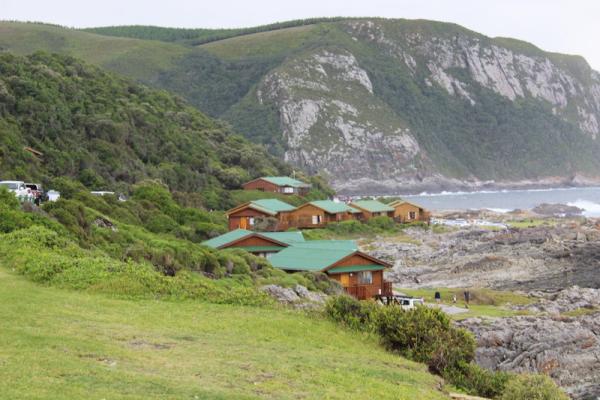
The Tsitsikamma National Park forms a section of the Garden Route National Park and is situated at the heart of the picturesque tourist region known as the Garden Route, found in the Southern Cape of South Africa.
Tsitsikamma is a Khoisan (early inhabitants of the area) word meaning, place of much water.
Approximately 30% of the park is covered in fynbos (Cape Floral Kingdom), scattered amongst the forest vegetation, boasting a wide variety of beautiful flowers, including proteas and heath.
Many species of forest, fynbos and sea birds are present.
Things to seek
- Dolphins and porpoises
- African Black Oystercatcher
- Knysna Lourie
- Cape Clawless Otter
- Blue Duiker
Wildlife
- Killer whale
- Leopard
- African wild cat
- African weasel
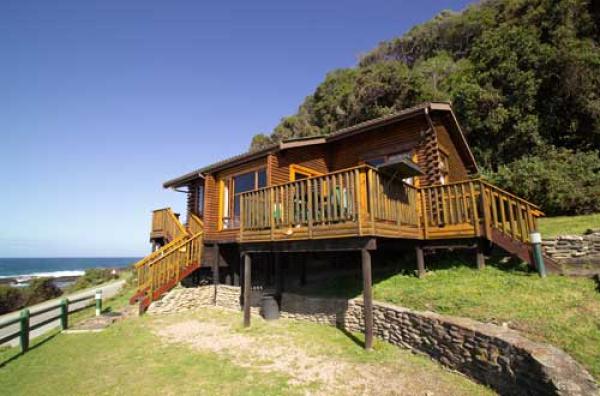
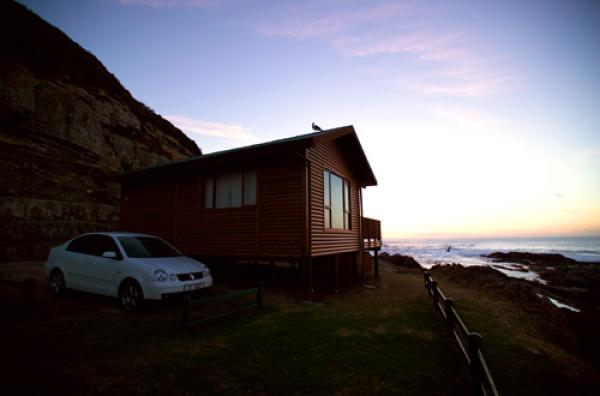
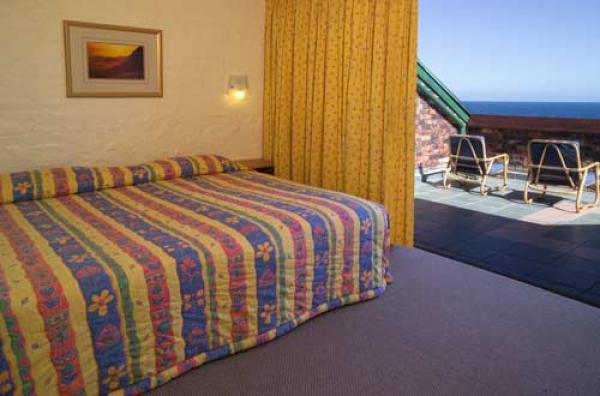
Accommodation at Storms River Rest Camp
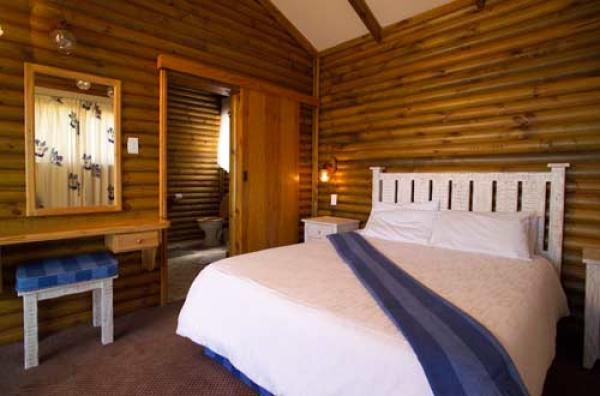
All accommodation is serviced daily and provided with bedding, towels and soap.
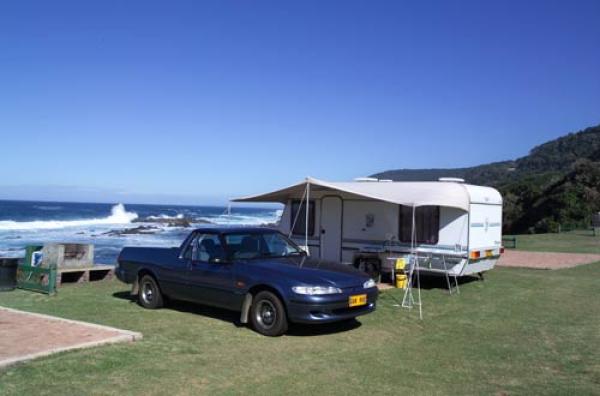
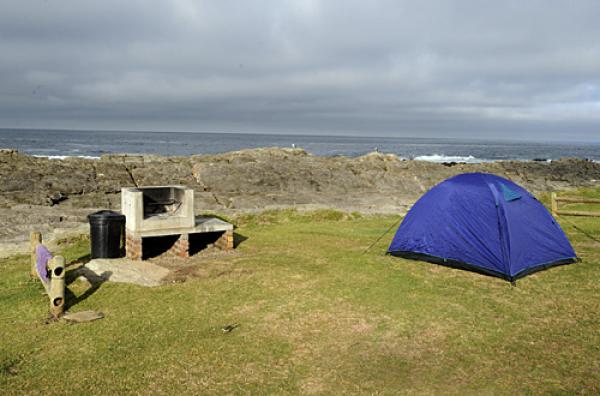
Camping at Storms River
All with communal ablution, laundry and washing up facilities. A maximum of six persons, one caravan with a side tent and one vehicle, or one tent and one vehicle, or one autovilla or motorised caravan will be permitted per site.
The Campsite is not suitable for Motorhomes, Roof-top Tents or Caravans. It is only appropriate for tents to be pitched on the timber decks.
- Caravan only sites with power point and view
- Caravan only sites with power point and no view
- Tent only site with no power point but with a view
- Camping sites (caravan or tent)
- Camping (tent or caravan) without power
Important Notice:
A fire in the Tsitsikamma section of the Garden Route National Park on Friday, November 25, burned down the restaurant and a nearby shop. The fire started in the restaurant kitchen but the rest of the Storms River Camp is open and unharmed.
A helicopter managed to stop the fire from spreading to the forest, accommodation area, camping and hiking trails.
All day activities in the Storms River Rest Camp are operational, including the re-routed walk to the suspension bridge, water activities, day hikes and day trips to the river gorge. Park management will provide a temporary structure for the restaurant and shop.
Water and electricity were unaffected and are available in the camp. Park management has advised visitors to bring their own meals and drinks or use facilities in the Storms River village, 10 minutes from the park.
Facilities
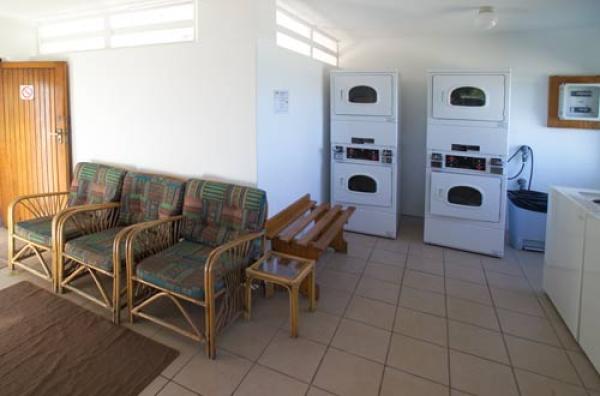
- Laundromat and ironing room (flat-irons not supplied) and information desk at Storms River Mouth Rest Camp (Tsitsikamma Section).
- No ATM facility available
- Tigers Eye operates Tsitsikamma Restaurant.
- Fuel is available at Storms River Bridge (25km from Storms River Rest Camp (Tsitsikamma Section)) and at Nature’s Valley (adjacent Nature’s Valley Rest Camp (Tsitsikamma Section)).
The Tsitsikamma Section of the Garden Route National Park is situated some 615km from Cape Town, 195km from Port Elizabeth and 68km from Plettenberg Bay.
The access route from the N2 highway and all internal roads are tarred. Car hire is available at Plettenberg Bay, which is also the nearest airport (limited scheduled flights). Airports are also found in George and Port Elizabeth.
Gate Times (as of 1 November 2010)
Gate opening 06:00 and closing times 22:00 due to restaurant service.
Security service, starting 18:00 - leaving 07:00 in the morning.
Late arrivals (after 18:00) may collect keys at the entrance gate.Overnight guests arriving after 18:00 should call the camp on (042) 2811 607 - key(s) may be picked up at the gate with the security service.
Day visitors allowed until 21:30.
- Check-in - 14:00
- Check-out - 10:00
Nature’s Valley Restcamp
The Nature’s Valley Rest Camp is situated in the De Vasselot section of the Tsitsikamma National Park, on the banks of the Groot River, about 30km from the town of Plettenberg Bay about 40 km from Storms River Rest Camp.
Adventure and Activities
- Nature’s Valley is a bird watchers’ and hiker’s paradise
- Numerous day trails to choose from, are available
- Reception and the shop in the Nature’s Valley Village
- Canoeing from the rest camp to the Groot River Mouth
Accommodation at Nature’s Valley Rest Camp
All forest huts ad ablutions have electricity as well as electric geysers in the ablutions. Campsites have not been electrified at this stage.
Two coin-operated washing machines and tumble driers are available in the main ablution facility. Two-bed forest huts with communal ablution facilities are also available.
Camping at Nature’s Valley Rest Camp
All with communal ablution, laundry and washing up facilities.
A Maximum of six persons, one caravan with a side tent and one vehicle, or one tent and one vehicle, or one motorised caravan will be permitted per site.
Please note that there is no electric points at the camp sites.
Important Notice
1. Accommodation rates do not include Conservation Fees which are payable at the entrance gates.
2. Please ensure that you are familiar with the Rules & Regulations of National Parks before making a booking.
Official Hours:
Office hours: 07:30 18:00
Gate opening and closing times: 06:00 19:30
Security service 19:00 07:00
Visitors with reserved accommodation who arrive after 18:00 may collect their keys to their accommodation at the entrance gate.
All activities are dependent on favourable weather conditions.
Storms River Mouth Restcamp:
- The Otter Hiking Trail, 42 km long, 5 days and 4 nights
- Several nature trails (1-3 hours)
- Marine and River Activities (boat trips, canoeing, snorkelling and SCUBA diving)
- Bathing at a small beach and swimming pool (for resident guests only).
- All angling in the Tsitsikamma National Park is prohibited
Guided outings (Eco-guides from local communities)
- Evening film shows during peak periods (holiday programme during school holidays)
- Activities for School Groups.
Nature’s Valley Restcamp:
- A network of 6 nature trails (2-6 hours - Bird watching)
- Board sailing, rowing, sailing and canoeing on the river. No powerboats
- Bathing at Natures Valley beach (2 km from restcamp)
There are many activities in the area of the park, for which staying in the park is an excellent base:
- Abseiling & climbing
- Mountain biking
- Tractor-trailer rides
- 4x4 trails
- Tree top tours
- Kloofing
This is a multi-dimensional marine/forest national park. Remember to bring the following: bathing suit, angling equipment, hat, binoculars, sun block, walking shoes, bird and mammal reference books, snorkeling equipment.
Camp Site (CK6): Extra vehicles are charged a fee per night, No power.
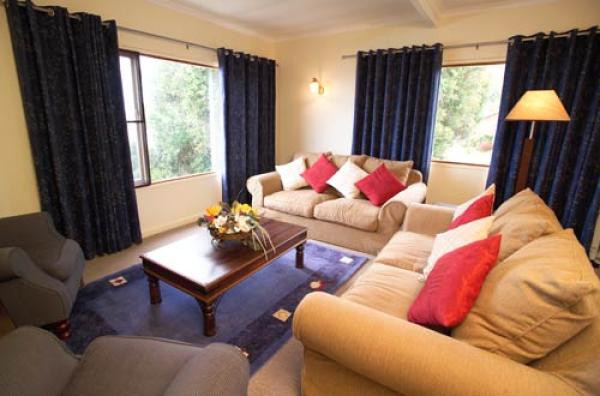
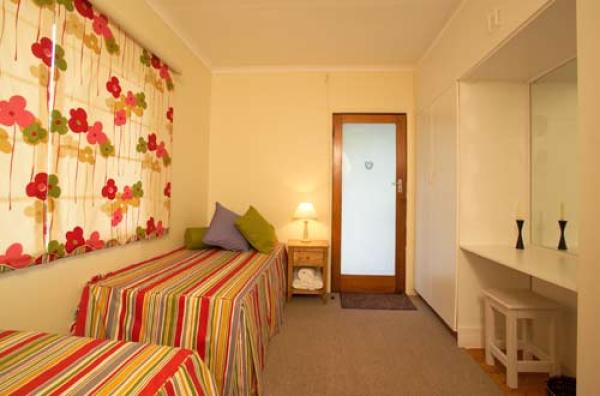
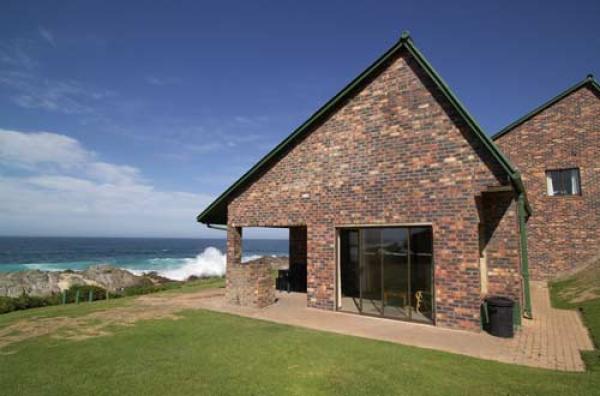
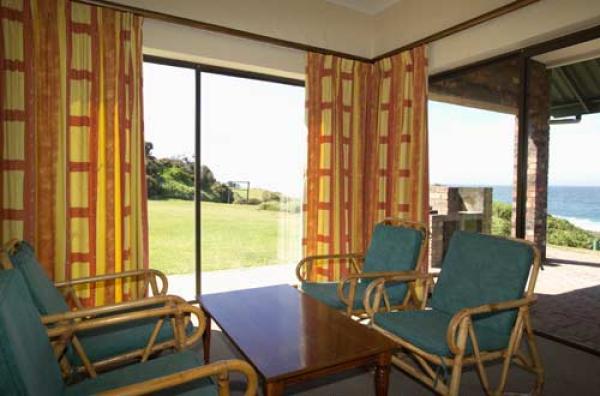
Chalet 2bd + Dsc (CH2/4): Braai facility on deck, Fully equipped Kitchen, No smoking, Open parking next to unit, Open plan unit with 2 single beds, Semi detached, Sleeper couch suitable for 1 adult or 2 children, View of Lagoon, WC and shower.
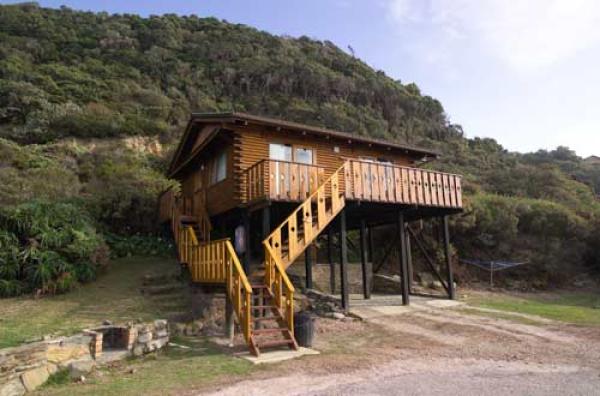
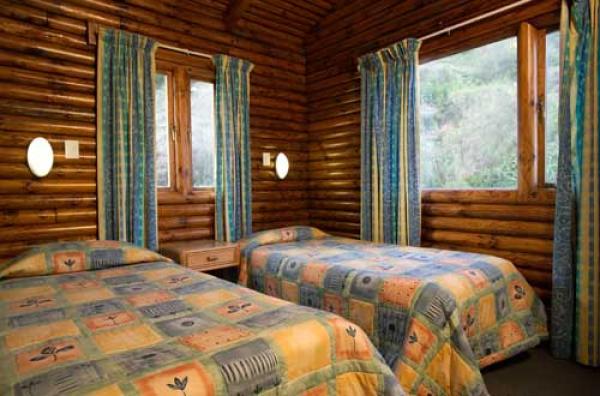
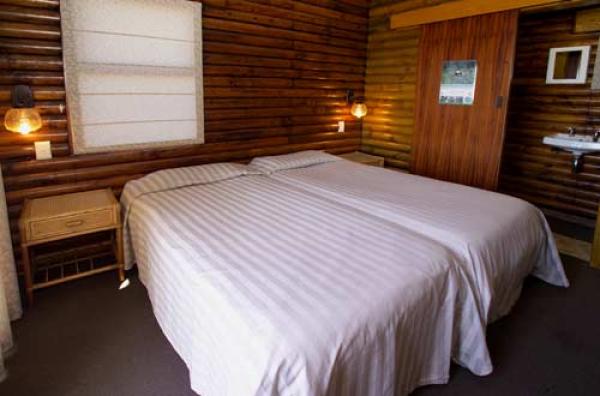
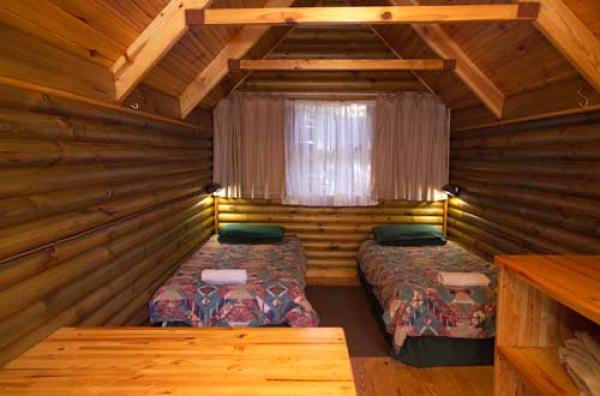
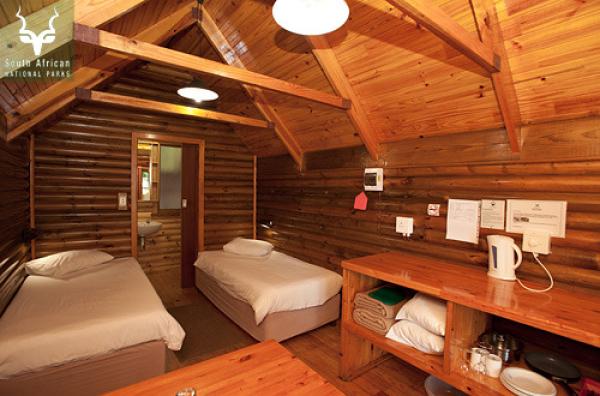
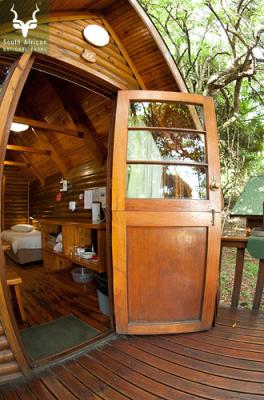
Forest Hut (FH2): 2 single beds, Communal ablutions, Communal Kitchen, Electricity, No smoking, Utensils.
Caravan Site (CK6CP): Extra vehicles are charged a fee per night, No view, PowerPoint.
Caravan Site (CK6CPV): Extra vehicles are charged a fee per night, PowerPoint, Seafront.
Chalet 2bd S-d (CH2SZ): Braai facility on deck, DSTV (limited channels), Fully equipped Kitchen, No smoking, Open parking next to unit, Open plan with a Double Bed, Semi detached, Unit accessible to the mobility challenged, WC and shower.
Chalet 2bd S-d (CH2S): Braai facility on deck, Fully equipped Kitchen, No smoking, Open parking next to unit, Open plan with a Double Bed, Semi detached, WC and shower.
Chalet (CH3): 1 bedroom with 2 single beds, 1 single bed in lounge, DSTV (limited channels), Kitchen, No smoking, Open plan, Semi detached, WC and shower.
Chalet - Pens (CH3P): 1 bedroom with 2 single beds, DSTV (limited channels), Kitchen, No smoking, Open plan, Semi detached, Sleeper couch in living room, suitable for Children, WC, shower and basin.
Chalet (CH3S): 1 bedroom with double bed, 1 single bed in lounge, DSTV (limited channels), Fridge, Kitchen, Microwave, No smoking, Open plan, Open plan lounge / kitchen area, Semi detached, Water Kettle and Toaster, WC and shower.
Chalet 4bd S-d (CH4S): 1 bedroom with double bed, 2 single beds in open plan area, Braai facility on deck, DSTV (limited channels), Fully equipped Kitchen, No smoking, Open parking next to unit, Semi detached, WC and shower.
Cottage (OC2): 1 bedroom with double bed, DSTV (limited channels), Kitchen, No smoking, Stand alone units, WC and shower.
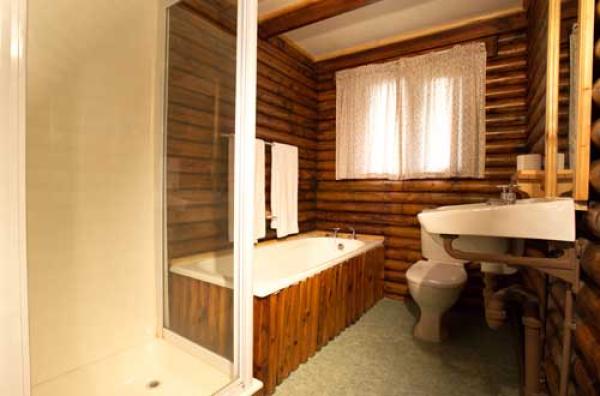
Family Cottage (FA4): 2 bedrooms, 1xdouble bed, 1x2 single beds, DSTV (limited channels), Kitchen, No smoking, WC, shower and bath.
Forest Hut (FH2): 1 bedroom with 2 single beds, Communal ablutions, Communal Kitchen, No smoking, Utensils.
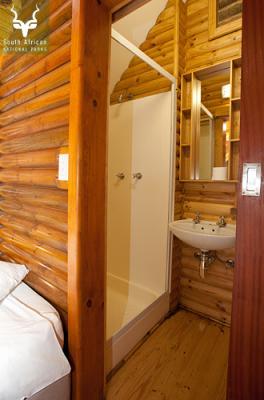
Forest Hut (FH2S): 1 bedroom with 2 single beds, Bedding Supplied, Communal Kitchen, Cutlery and crockery provided, No smoking, WC and shower.
Guest Cottage (GC8): 1 bathroom with shower and wash basin, 1 bathroom with wc and bath, 2 bedrooms, each with 1 double bed, 2 bedrooms, each with 2 single beds, Dining room, DSTV (limited channels), Kitchen, Lounge, No smoking, Separate WC.
Cottage (HC2): 1 bedroom with double bed, DSTV (limited channels), Kitchen, No smoking, Stand alone units, WC and shower.
Oceanette-large (FNZ4): 2 bedrooms, each with 2 single beds, DSTV (limited channels), Kitchen, No smoking, Open plan, Unit accessible to the mobility challenged, WC and shower.
Oceanette-large (FN4): 2 bedrooms, each with 2 single beds, DSTV (limited channels), Kitchen, No smoking, Open plan, WC and shower.
Oceanette-open Plan (FW2P): 2 single beds, DSTV (limited channels), Kitchen, No smoking, Open plan, Shower.
Oceanette-open Plan (FW2): 2 single beds, DSTV (limited channels), Kitchen, No smoking, Open plan, Shower.
Tent Site (CK6TP): Extra vehicles are charged a fee per night, PowerPoint.
Tent Site (CK6TPV): Extra vehicles are charged a fee per night, PowerPoint, Seafront.
- No cancellation fee will be incurred for cancellations made after payment of first deposit up to and including 46 days prior to arrival.
- Cancellation fees equal to 50% of the total reservation cost is payable in a case of cancellation made between 45 days and 30 days prior to arrival.
- Cancellation fee equal to 100% of the total reservation cost is payable in a case of a cancellation made between 29 days prior to and date of arrival
- 100% of the total cost for any non-arrival/no-shows
Reservation made within 45 days prior to arrival is payable within 24 hours from the day reservation is made.
- Conservation levy is always excluded from the booking amount and needs to be settled on arrival.
It is your responsibility to check if the reservation is correct. Should the reservation be incorrect, please contact our office immediately.
If the arrival date of the itinerary is postponed prior to or on date of arrival and then cancelled at a later stage, the fees that applied at the time of amendment will be enforced if the amount is greater than the new cancellation fees.
Cancelling or downgrading of a reservation 45 days prior to or on arrival will result in cancellation fees according to a sliding scale (based on the total reservation cost) which varies between 50% and 100%.
Should the reservation not be taken up on the arrival date the accommodation will be held until 09:00 the following day after which the reservation will be cancelled and the deposit, where applicable, forfeited.
The Tsitsikamma Section of the Garden Route National Park is situated some 615km from Cape Town, 195km from Port Elizabeth and 68km from Plettenberg Bay.
The access route from the N2 highway and all internal roads are tarred. Car hire is available at Plettenberg Bay, which is also the nearest airport (limited scheduled flights). Airports are also found in George and Port Elizabeth.
Gate Times (as of 1 November 2010)
Gate opening 06:00 and closing times 22:00 due to restaurant service.
Security service, starting 18:00 - leaving 07:00 in the morning.
Late arrivals (after 18:00) may collect keys at the entrance gate.Overnight guests arriving after 18:00 should call the camp - key(s) may be picked up at the gate with the security service.
Day visitors allowed until 21:30.