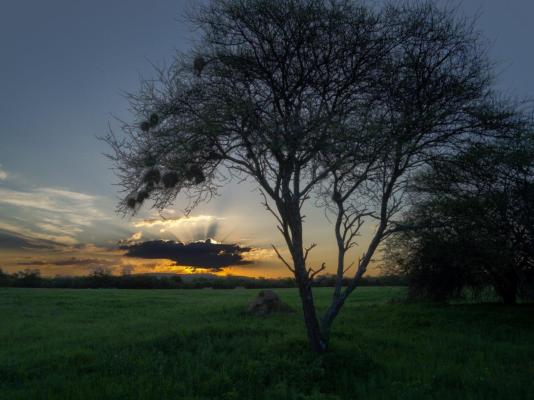
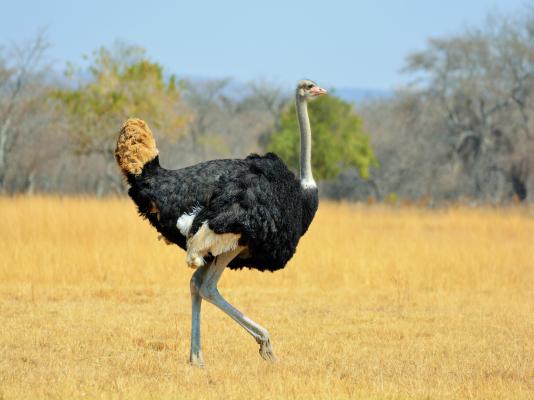

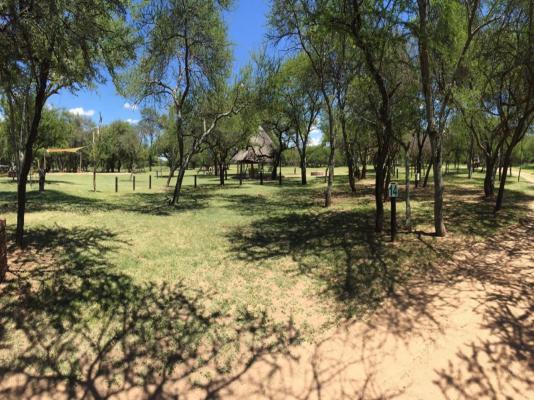
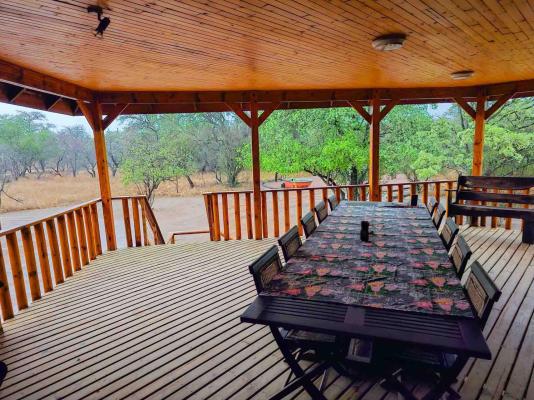
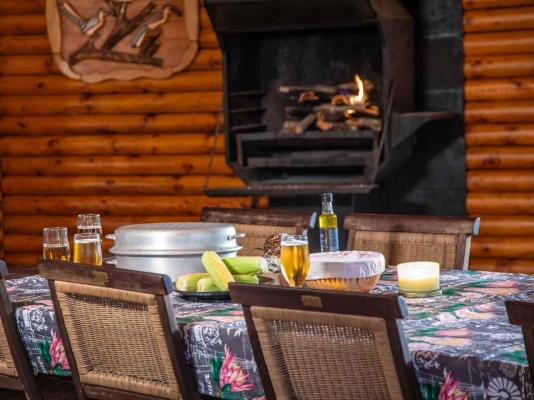



History of the Waterberg Region: The Waterberg region of Limpopo is vast, peaceful and incredibly beautiful. It is a fascinating area with a rich cultural legacy and natural splendour. It is particularly appealing to those who need to find a place to unwind. The region encompasses vast tracts of bushveld savannah punctuated with clusters of trees and tall savannah shrubs, the extensive and mountainous Waterberg area and the Springbok Flats in the south. There is plenty of wildlife to be seen on the numerous private game reserves in the region. The most important towns of the Waterberg region are Bela-Bela (Warmbaths), Nylstroom (Modimolle), Naboomspruit (Mookgophong), Vaalwater, Thabazimbi and Ellisras (Lephalale). Each town in itself is worth visiting, boasting a number of historical, cultural and natural attractions.
The Waterberg as it is known today is more than three million years old. Among the hills and mountains of the Waterberg region, there is evidence of human occupation dating back thousands of years. Archaeological finds and San paintings are just glimpses of the region’s past.
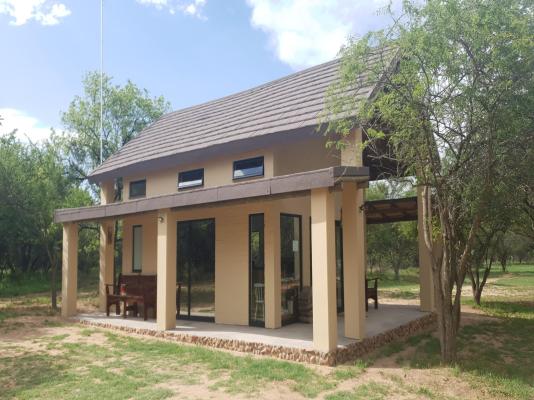
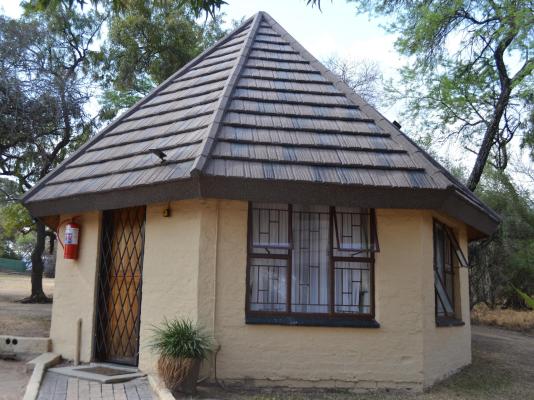
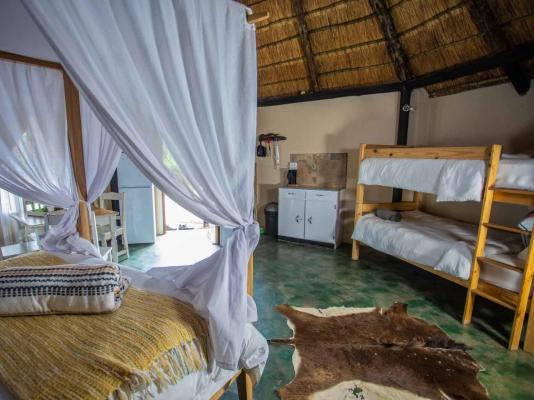
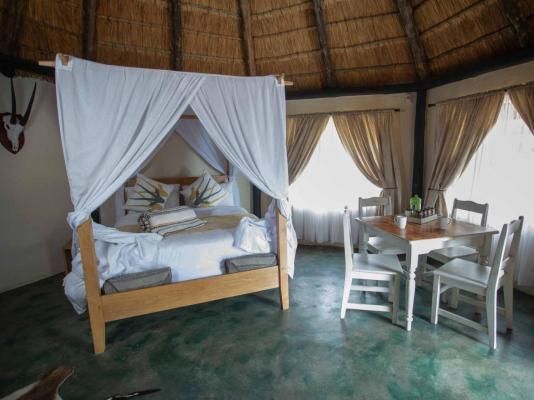
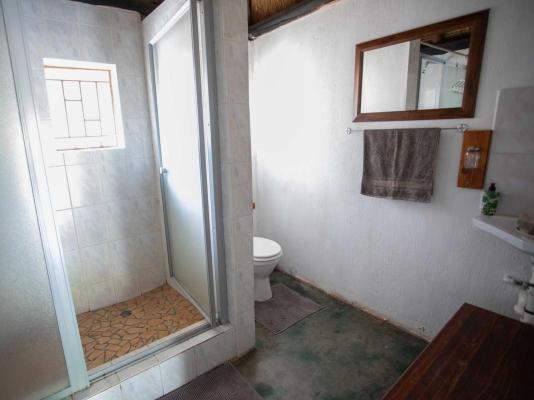
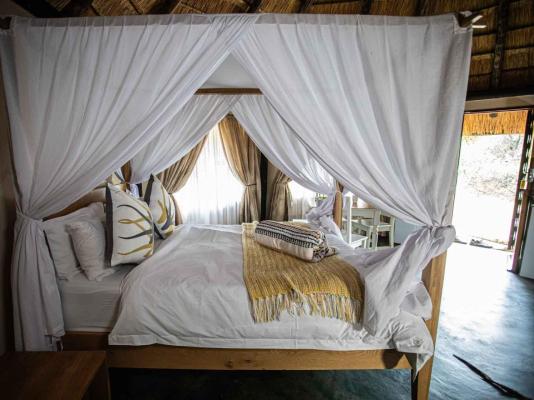
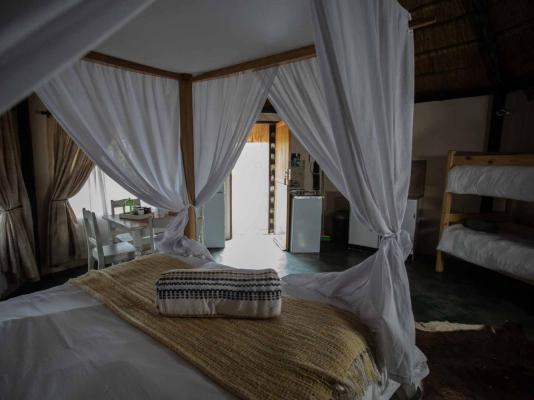
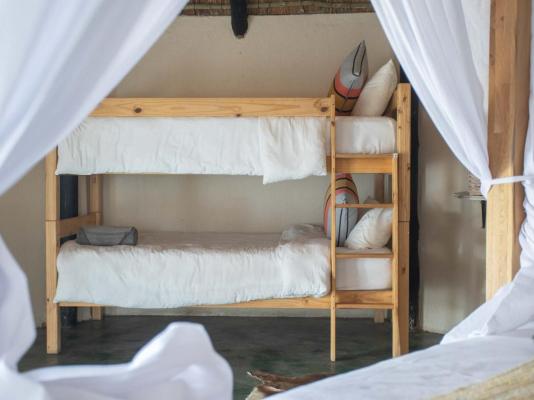
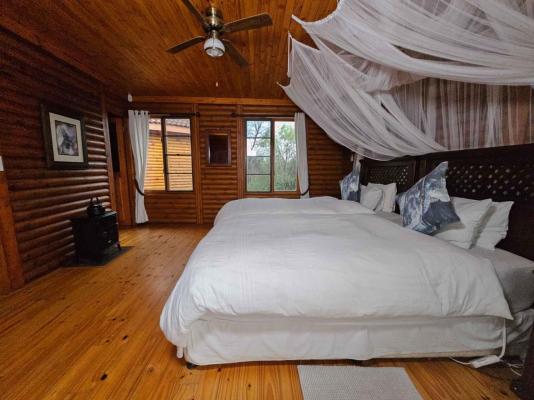
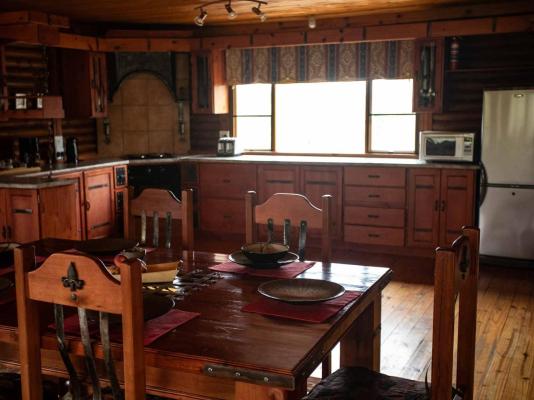
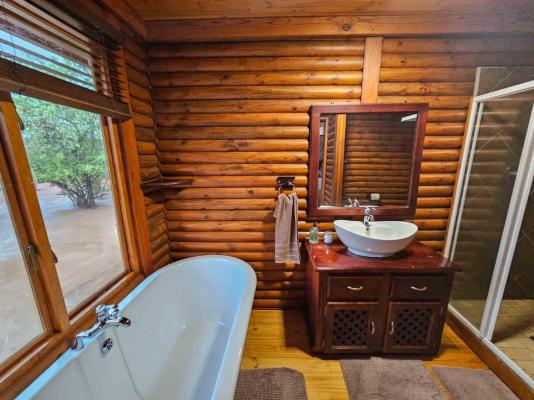
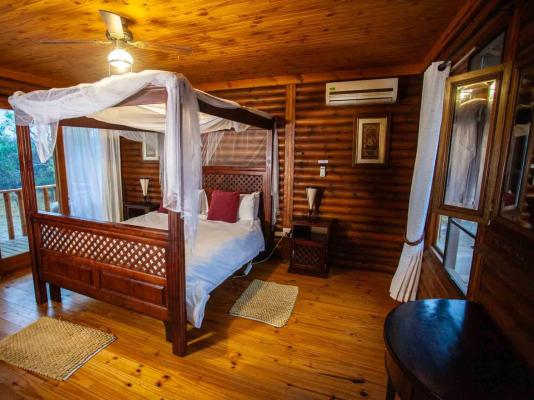
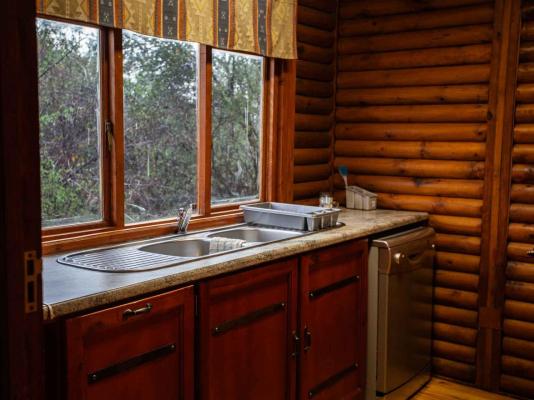
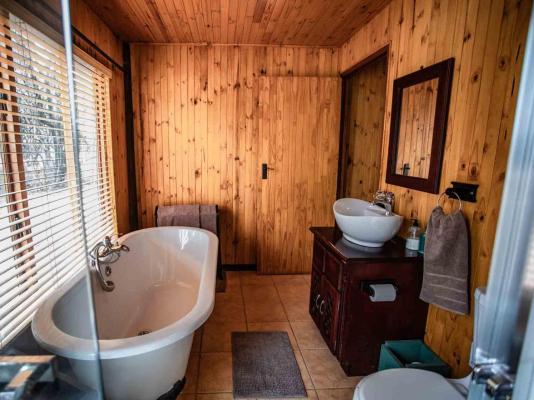
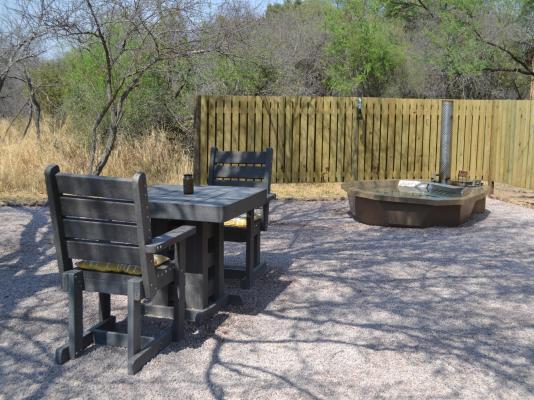
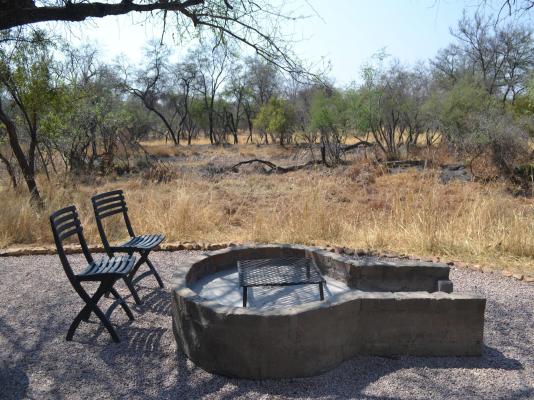
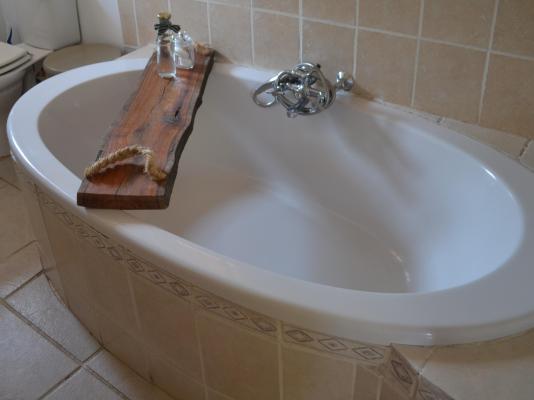
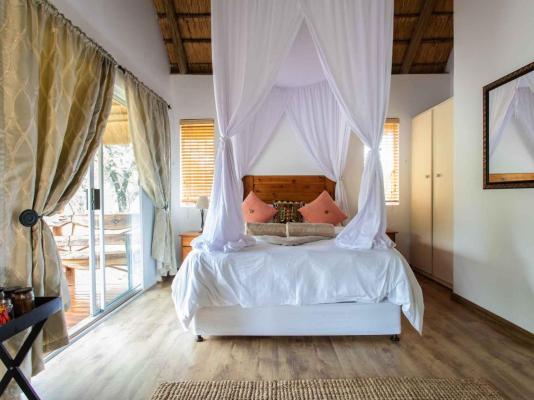
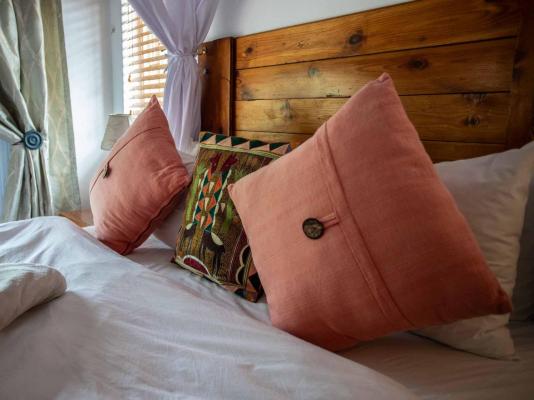
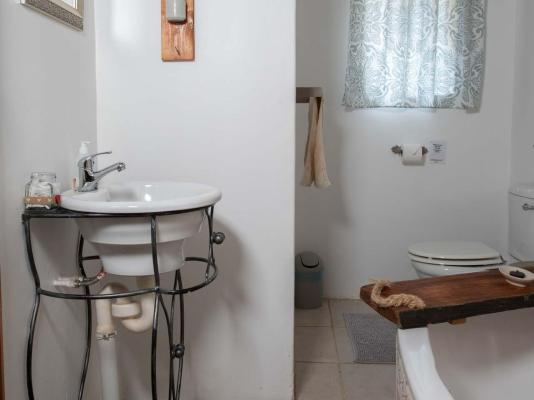
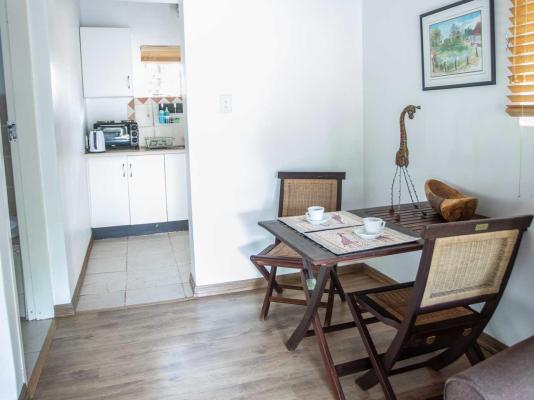
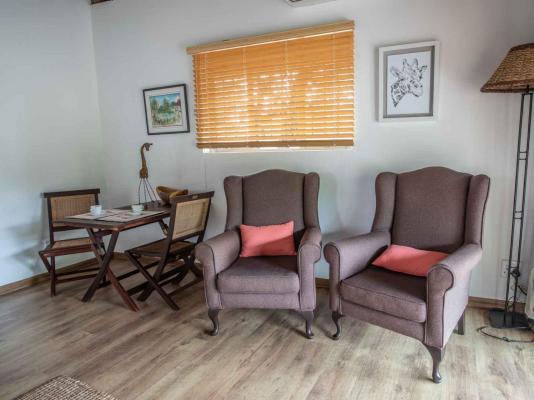
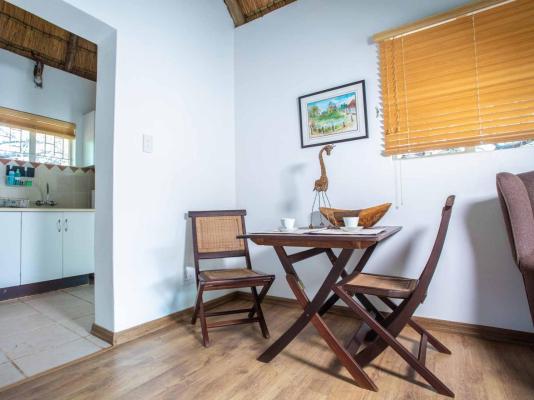
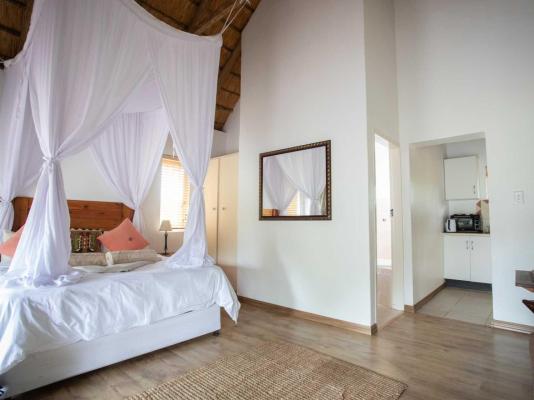
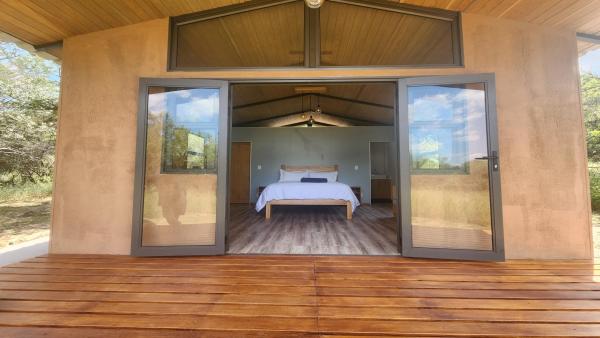
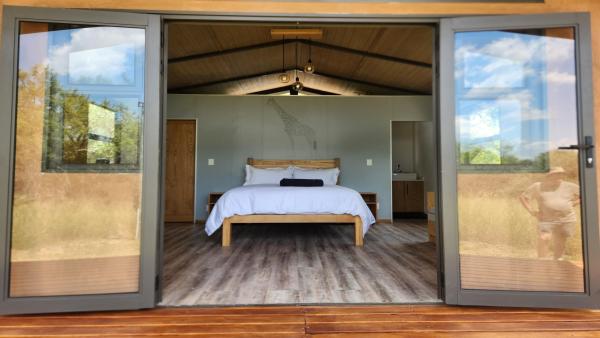
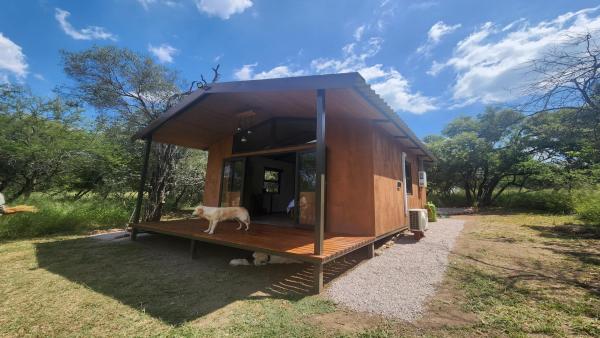
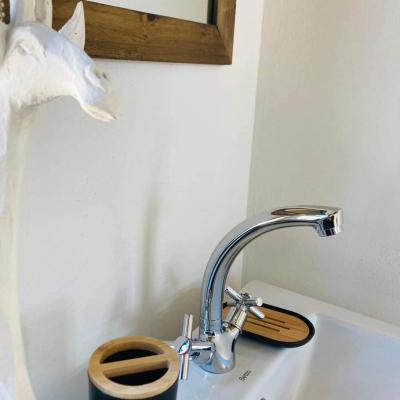
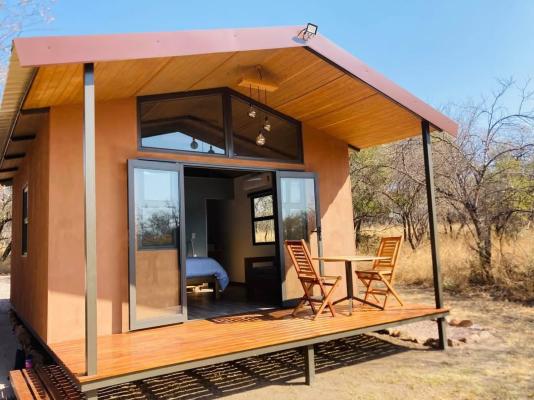
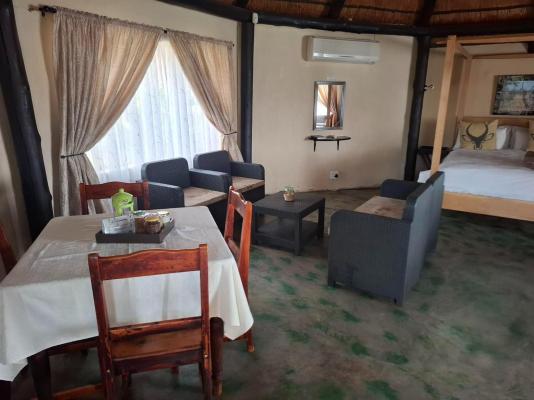
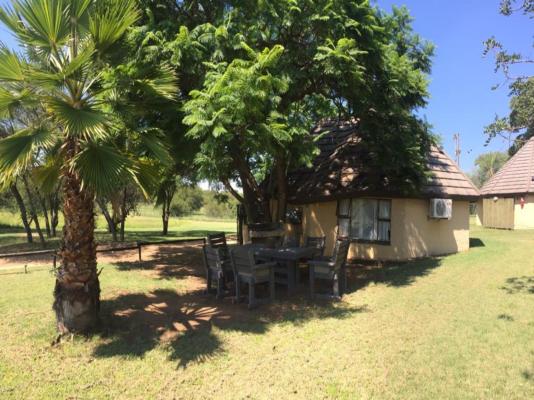
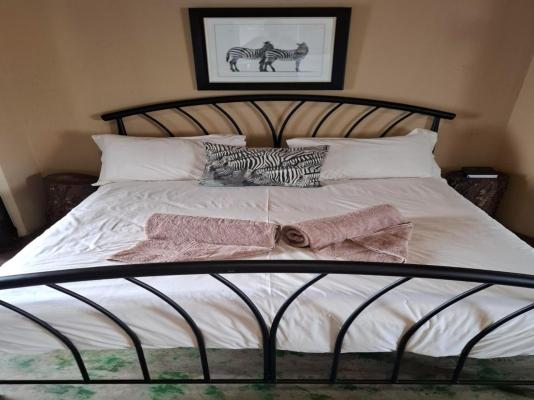
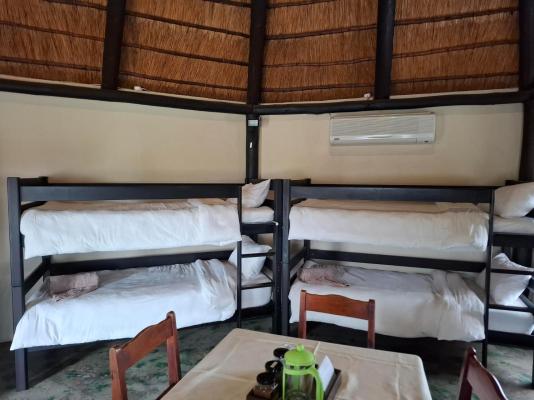
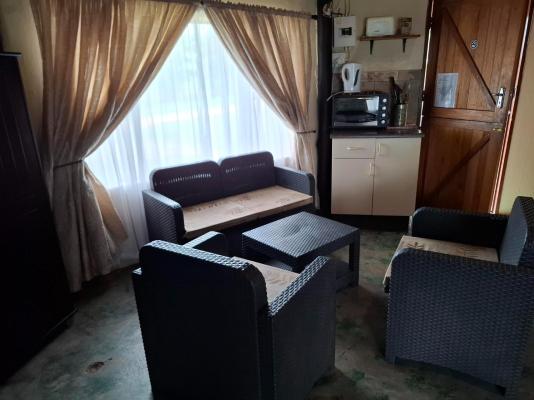
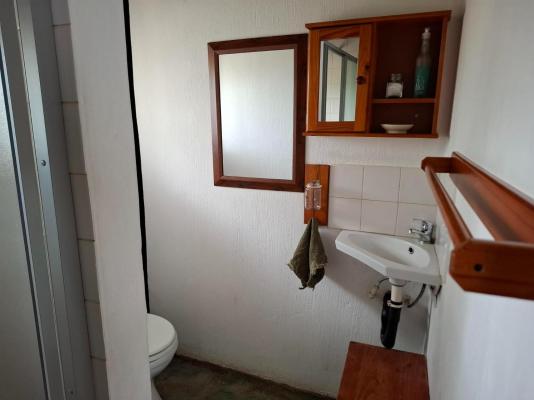
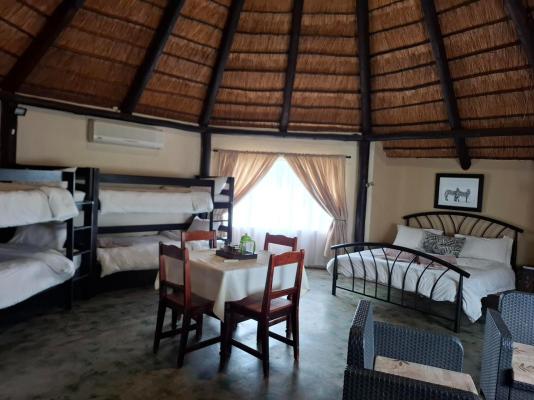
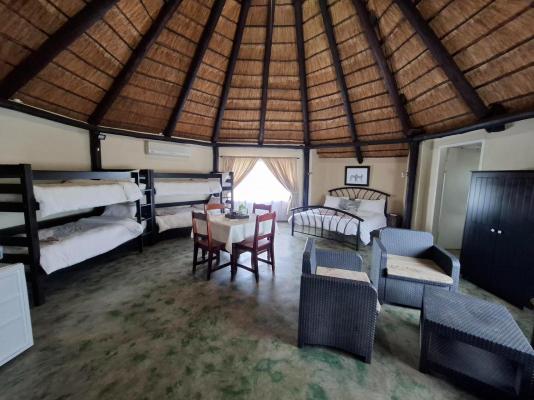
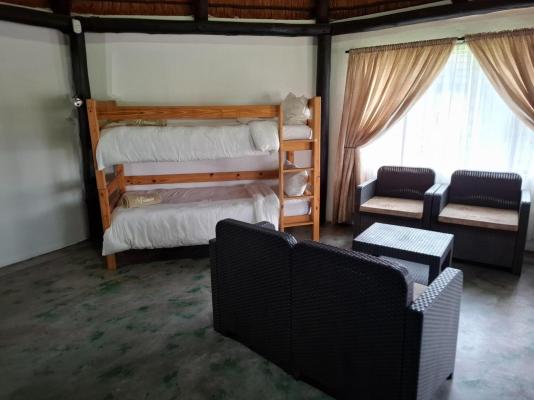
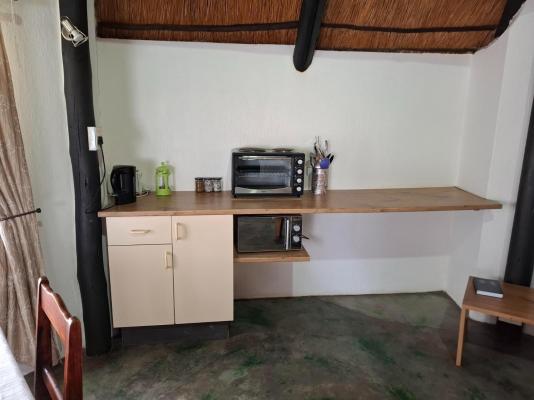
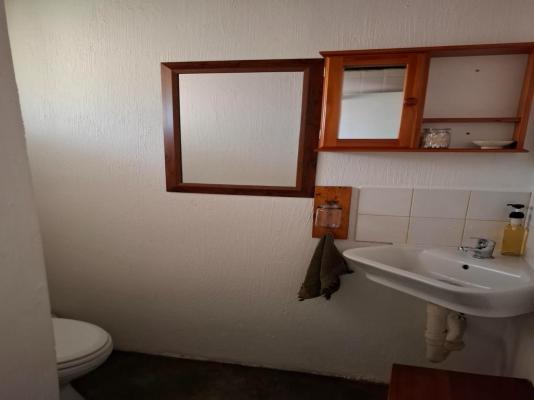
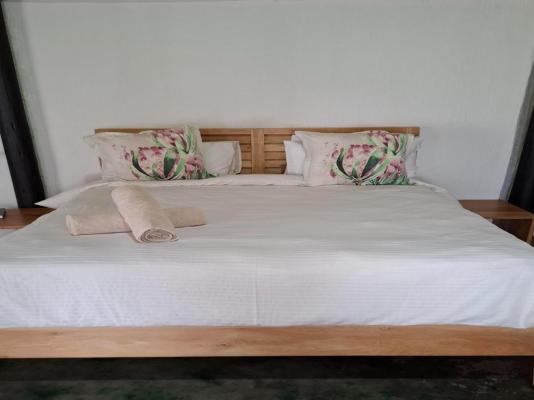
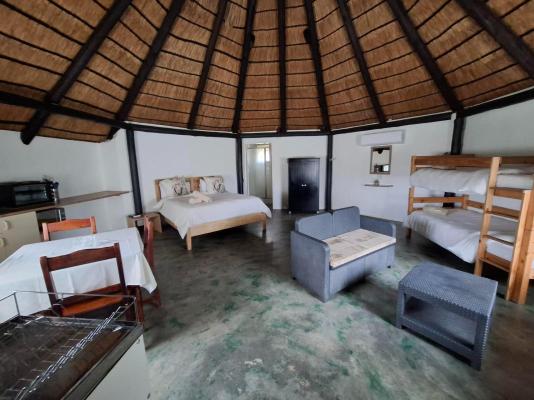
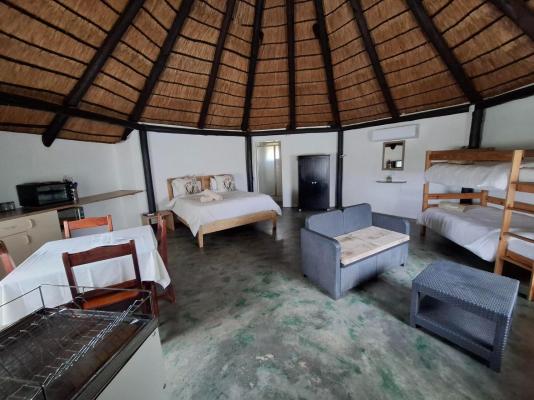
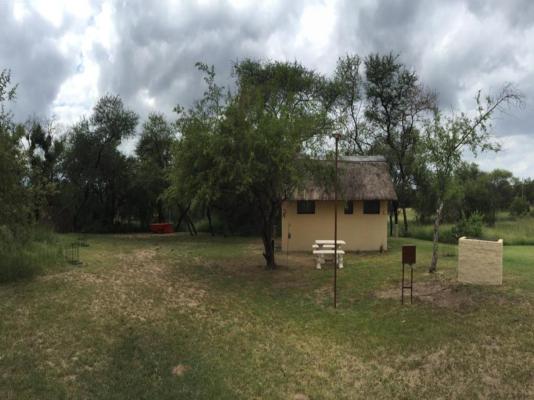
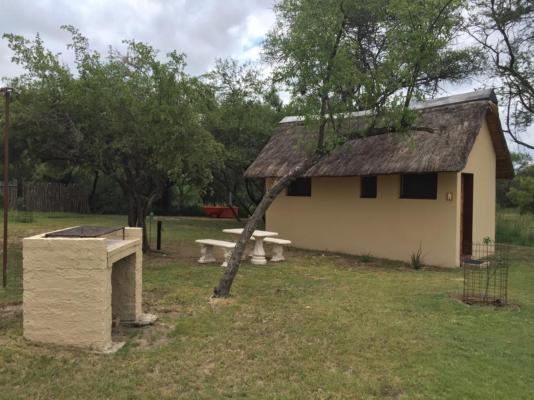
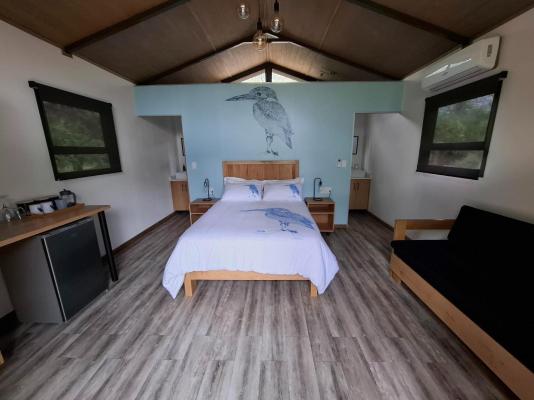
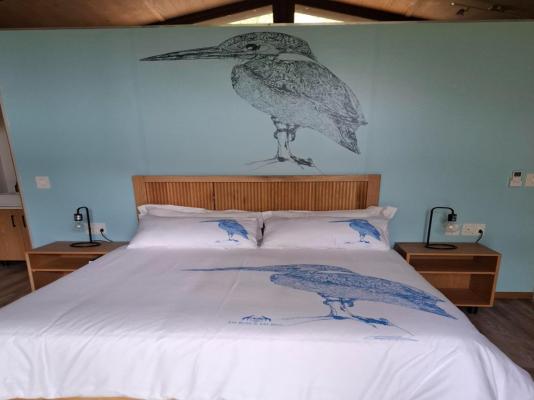
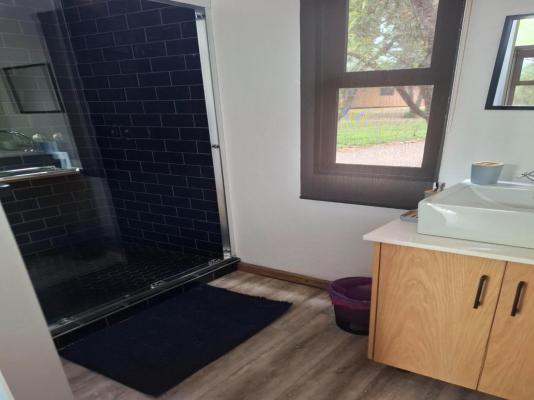
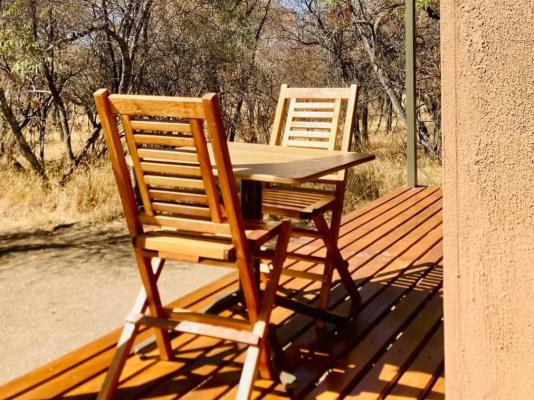
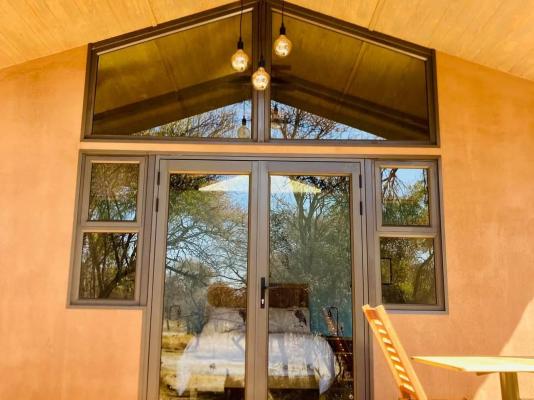
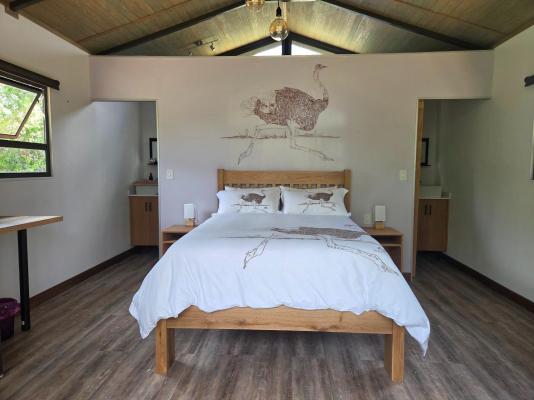
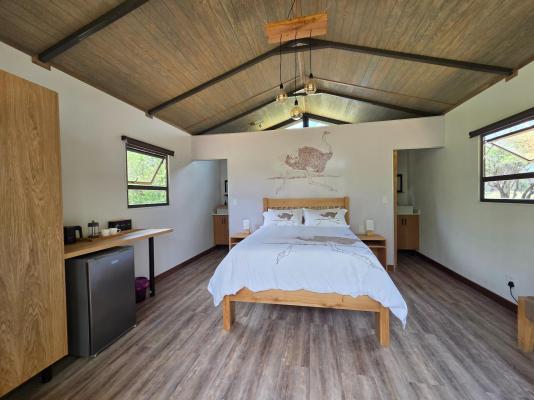
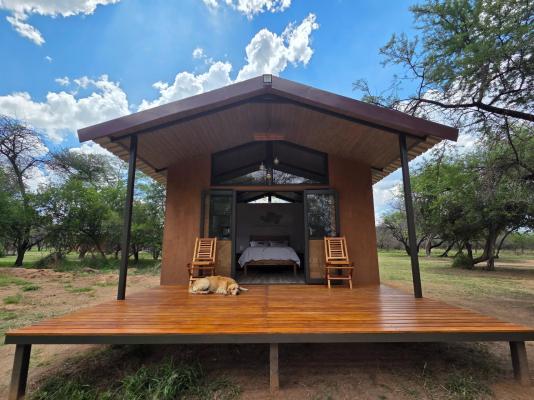
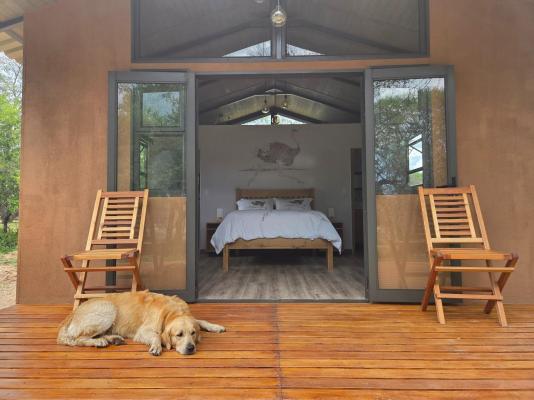
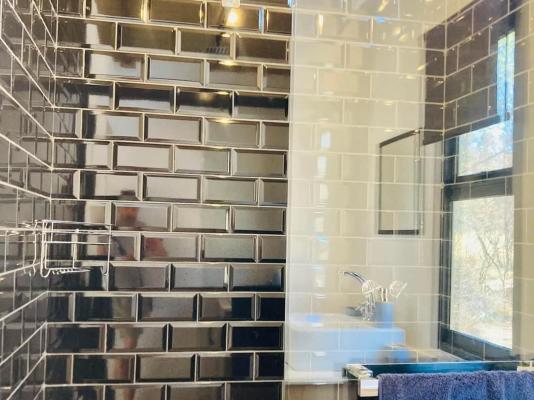
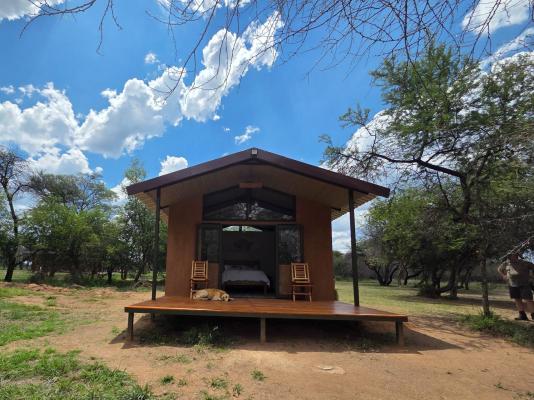
This Chalet is part of our new accommodation. Private and ideal for overnight guests attending functions at the venue, it has a double bed and pull-out sleeper coach for children. Separate toilet and shower with basin. Lovely view of the bushveld.
If cancelling 14 days before arrival, forfeit 100% of the deposit.
If cancelling 21 days before arrival, forfeit 75% of the deposit.
If cancelling 30 days before arrival, forfeit 50% of the deposit.
If cancelling 999 days before arrival, forfeit 25% of the deposit.
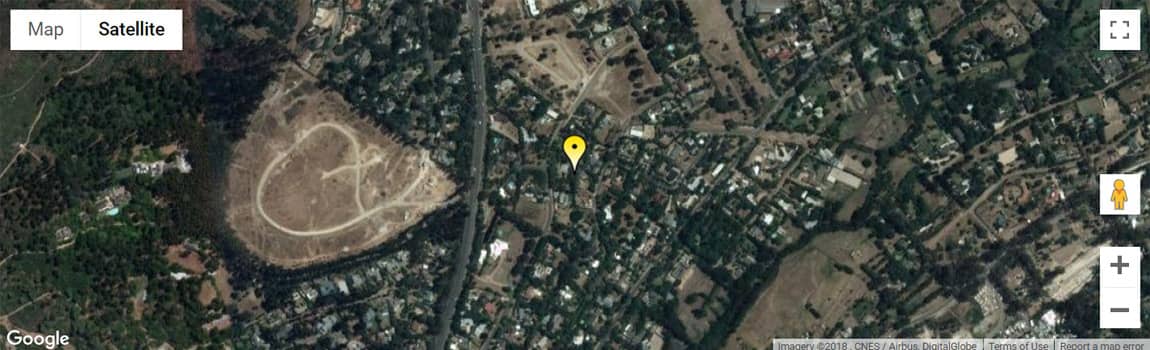
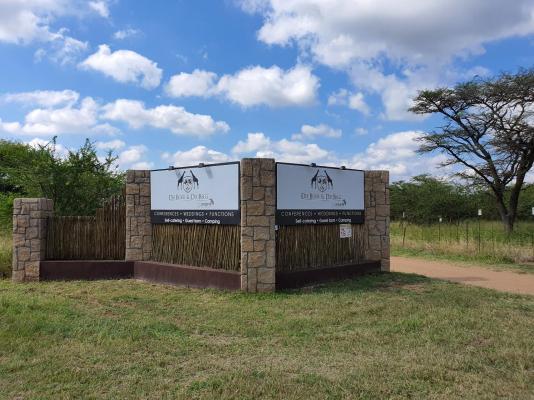
To get to Die Boer en Die Belg, take the N1 north towards Pietersburg / Polokwane, pass through the Kranskop tollgate and take the Naboomspruit / Mookgophong R101 off ramp. (Naboomspruit is now known as Mookgophong, Nylstroom as Modimolle, Pietersburg as Polokwane and Warmbaths as Bela Bela).Once in the dorp, turn left at the second robot into Nelson Mandela Rd. After passing Hans Strijdom High School on your right-hand side, carry on 9,7 km to the T-junction (at Die Olifant). Turn right and travel a further 4,7 km, Die Boer en Die Belg is on the right-hand side just past a big Naboom (cactus type tree)
Children welcome.